
12 August 2025 •
Last updated 23/09/2025
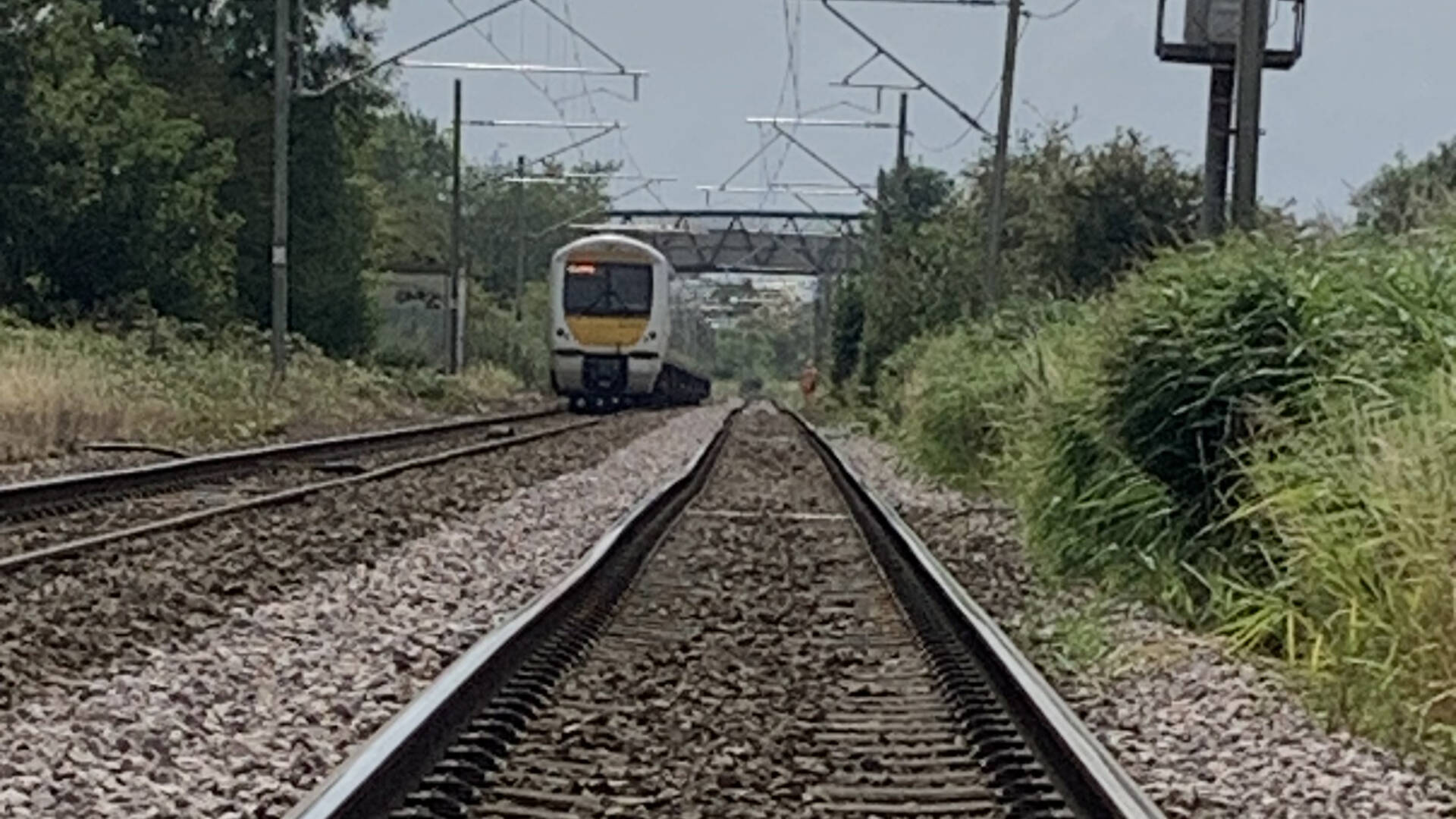
Customers using South Essex rail operator c2c’s services are being advised to check journey planners before they travel from Monday 18 August as the timetable is being amended in response to track conditions.
As in other parts of the country, the track has been affected by the driest spring in more than 50 years. The clay soil underneath the c2c lines has shrunk following the prolonged spell of dry weather, causing the track to drop in places and become uneven.
To keep everyone moving safely, Network Rail will apply speed restrictions from Monday 18 August. As trains will have to operate at slower speeds, some journeys will take a few minutes longer than usual, so trains may run at slightly different times. A small number of services each day will be altered to start or terminate early or not stop at some stations.
Journey planners show the amended timetable for each week, and passengers are advised to check c2c-online.co.uk or nationalrail.co.uk before travelling.
Timetables
Monday 22 to Wednesday 24 September
Thursday 25 to Friday 26 September
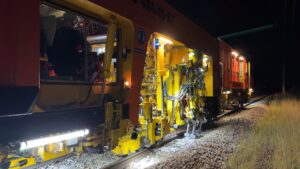
Planned weeknight and weekend engineering work will continue, with Network Rail taking the chance to improve the condition of the track as much as possible. Engineers will use machines called tampers and stoneblowers to correct the level of the track and create a solid foundation so that trains can run smoothly.
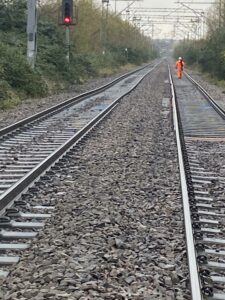
In the last year, Network Rail has dropped 12,600 tonnes of ballast across the route to try to minimise the effects of clay shrinkage, but an exceptionally dry spring this year has meant that it hasn’t been possible to eliminate track issues.
The combination of engineering work, precautionary speed restrictions and limited service alterations from Monday 18 August is designed to prevent more disruptive reductions and changes to timetables and calling patterns. The alterations are expected to be in place for between two and three months.
Simon Milburn, Infrastructure Director for Network Rail Anglia, said: “We are really sorry for the disruption to passengers from the timetable alterations, but we need to keep everyone moving safely. Our teams are working together to keep running the best possible service for passengers, even with the significant challenges we face with clay soil following prolonged dry spells. Thank you to everyone for bearing with us – and please do check before you travel, particularly if you’re used to getting the same time train every day.”
Stuart Browning, Operations and Safety Director c2c Railway, said: “We are working closely with our Network Rail colleagues to ensure the safe running of our services for customers. We are sorry there will be some disruption due to these timetable alterations. We are hopeful these small amendments will not inconvenience our customers journeys but we would urge customers to check before they travel.”
Notes to Editors
About c2c
- c2c is the award-winning train operator running services between Fenchurch Street and Shoeburyness, serving 26 stations in East London and South Essex.
- c2c is one of the UK’s most punctual and popular train operators and nearly 37.3 million journeys are made on its services every year.
- The operation of all c2c services transferred into public ownership on Sunday 20 July 2025 and is managed by DFTO (DfT Operator Ltd).
- For more information email mediaenquiries@c2crail.net
About Network Rail
- Network Rail operate and develop Britain’s railway infrastructure; that’s 20,000 miles of track, 30,000 bridges, tunnels and viaducts and the thousands of signals, level crossings and stations. It runs 20 of Britain’s largest stations while all the others, over 2,500, are run by the country’s train operating companies.
- Usually, there are almost five million journeys made in Britain and over 600 freight trains run on the network. People depend on Britain’s railway for their daily commute, to visit friends and loved ones and to get them home safe every day. NR’s role is to deliver a safe and reliable railway, so it carefully manages and delivers thousands of projects every year that form part of the multi-billion pound Railway Upgrade Plan, to grow and expand the nation’s railway network to respond to the tremendous growth and demand the railway has experienced – a doubling of passenger journeys over the past 20 years.