
18 September 2026 •
- A Greater Anglia train equipped with pioneering technology toured both the c2c route and London Overground Mildmay line this summer
- On-board monitoring systems are enabling engineers to fix faults before they lead to major disruption
- The latest technology has helped to prevent 15 overhead line incidents on Greater Anglia since November 2025, saving an estimated 22,000 delay minutes
- GBR Anglia is now unlocking the benefits for more of the region’s passengers
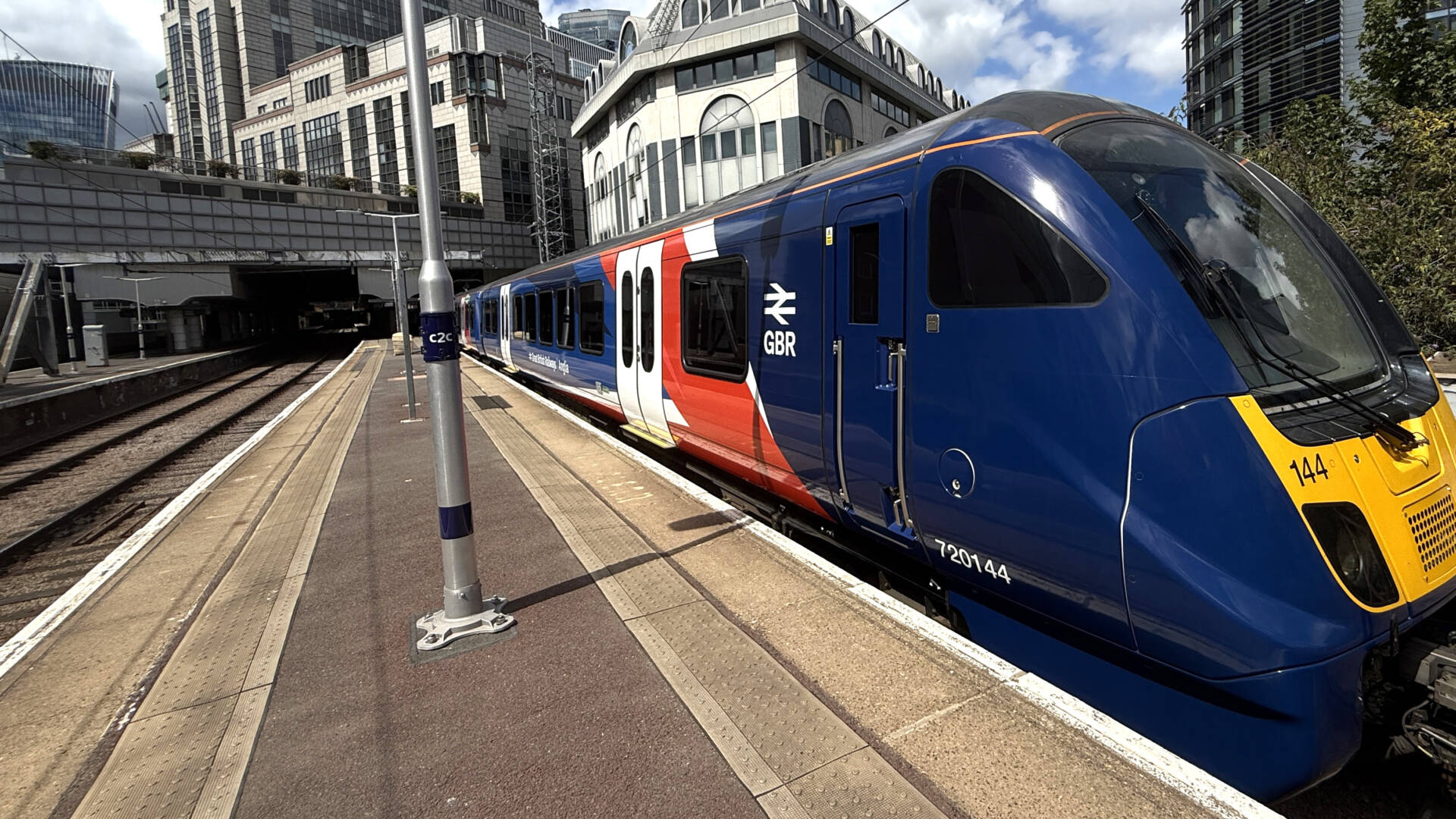
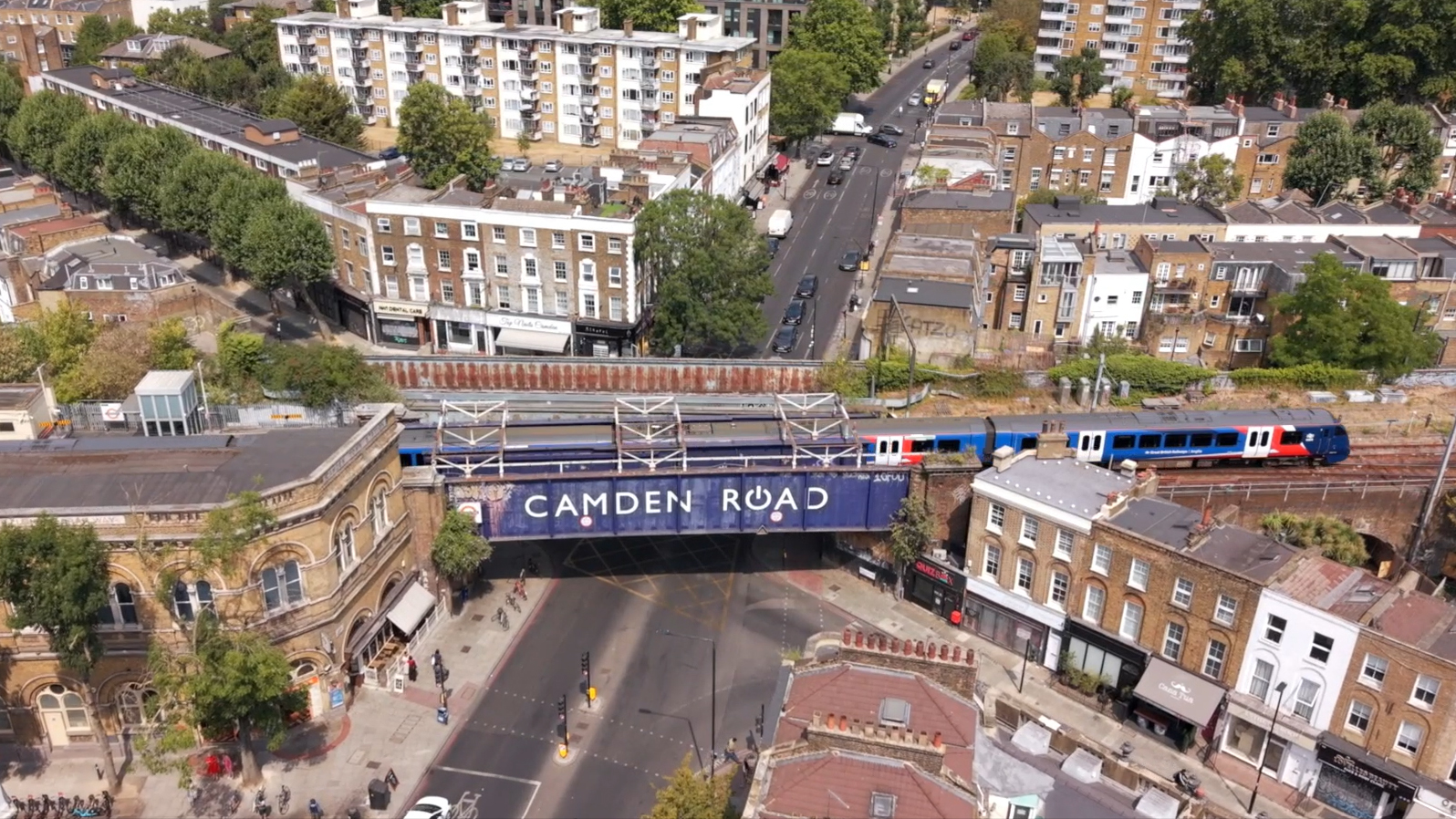
Eagle-eyed passengers may have spotted a Greater Anglia train, in its Great British Railways livery, travelling on the c2c route and London Overground Mildmay line over two Sundays in July and August. Most are unlikely to have guessed that the train was using the journeys to monitor overhead lines with state-of-the-art technology called PANDAS-V.
The technology isn’t currently installed on c2c and Mildmay line trains, but GBR Anglia was able to deploy it on these routes by using a Greater Anglia train with PANDAS-V on board, making the most of being a joined-up railway. GBR Anglia brings c2c, Greater Anglia and Network Rail Anglia together under one unified leadership team as part of the wider journey towards Great British Railways.
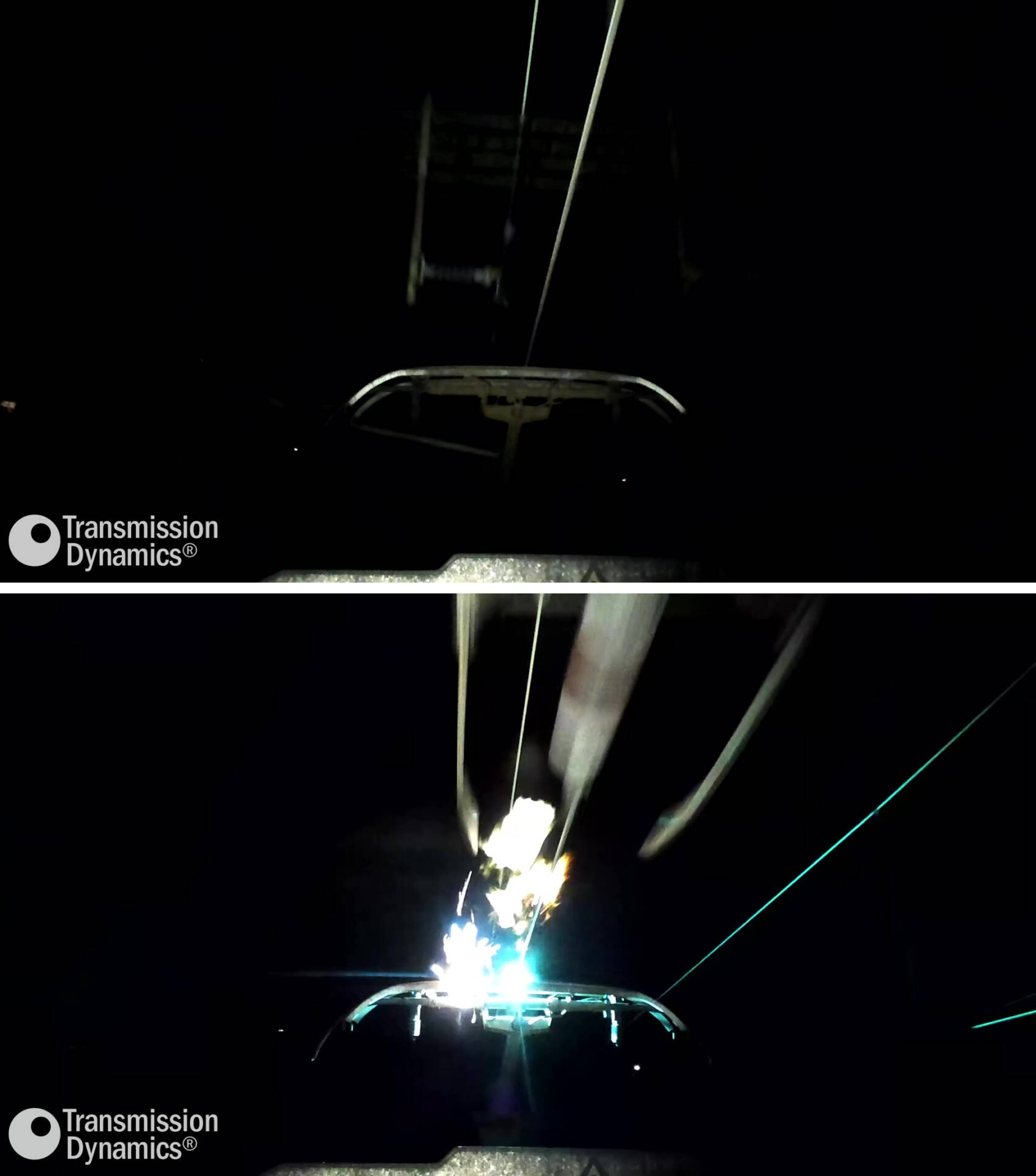
Through a camera and a sensor on the roof of the train, the PANDAS-V system assesses overhead lines continuously and reports any potential faults to Network Rail, along with an exact location and a high-resolution video clip. This gives engineers all the information they need to carry out a proactive repair or inspection, preventing delays and keeping passengers moving.
Video (above) – taking technology on tour
If overhead lines fall down or get tangled, the railway often has to be closed for an extended period while repairs are carried out. Spotting and fixing potential faults before they escalate helps the railway industry avoid thousands of hours of delays, while also saving the taxpayer potentially millions of pounds each year.
On Greater Anglia routes, PANDAS-V has helped engineers prevent major disruption on 15 occasions since November 2025, while operating on regular passenger services. Just outside Liverpool Street in March 2026, an alert on the PANDAS-V system allowed Network Rail to repair a defect which, if left alone for much longer, could have taken platforms 1-7 out of use at the station for a prolonged period. Another incident at Harlow Town allowed engineers to resolve an issue that may have damaged the pantograph equipment on top of passing trains, with each pantograph costing around £25,000. In total, Anglia engineers believe that PANDAS-V has saved passengers an estimated 22,000 minutes of delay within 10 months.
GBR Anglia also took PANDAS-V to the wider region in late August, redeploying a Greater Anglia train equipped with the technology for special runs on the Fen Line. This was intended to speed up the identification of suspected overhead line issues and, whilst no defects were found, the initiative helped to restore Great Northern passenger services more quickly.
PANDAS-V is set to be installed on two c2c trains in the coming months, which will enable the lines between Fenchurch Street and Shoeburyness to be covered every day. In the meantime, a Greater Anglia train with the technology will keep operating regularly on the c2c route, with further runs also being planned on the Mildmay line and the Fen Line.
Martin Beable, Chief Operating Officer for GBR Anglia, said:
“This initiative is GBR Anglia in action. Being a joined-up railway, with track and train closely aligned, means we are able to embrace innovation and break down barriers more quickly and effectively. The way we’ve been able to unlock the benefits of innovative technology right across the region shows how integration is already bringing benefits, and there’s so much more to come. Together, we’re driving down delays and building a better railway for all of our passengers.”
Rajdeep Ghatora, Head of Concession for London Overground, said:
“We’re pleased to see GBR Anglia using innovative technology to support the monitoring and maintenance of railway infrastructure. For London Overground customers, this will help to deliver a more reliable railway, fewer delays and a more resilient network, allowing people to complete their journeys with greater confidence.”
As well as monitoring the overhead equipment on the c2c route and Mildmay line over the two Sundays, the train captured front-facing video using its existing cameras. Engineers fed the recordings into software called AIVR which uses artificial intelligence to identify potential future issues on or beside the track.
Across the country, different types of on-board monitoring technology are now being used on various routes, allowing thousands of miles of railway infrastructure to be inspected and analysed every day using regular passenger trains. New developments are continuing to enhance these systems, helping engineers detect potential issues earlier and more accurately.
ENDS
NOTES TO EDITORS
About GBR Anglia
GBR Anglia brings together c2c, Greater Anglia and Network Rail Anglia under one unified leadership team as part of the wider journey towards Great British Railways.
This new structure is part of wider plans to create Great British Railways (GBR), bringing track and train closer together to deliver a better, more joined-up railway for customers and communities in Anglia.
The structure is designed to support closer operational coordination across infrastructure, train services and customer delivery.
Existing ticketing and customer arrangements remain unchanged, and customers will continue to see the current company identities as the railway transitions towards GBR.
The Anglia route serves a fast-growing region, connecting commuters, leisure travellers, ports, power stations and more, as well as Stansted and Southend airports.
About DFTO
- DFTO is the government’s public sector rail owning group. Its purpose is to bring all currently privately-owned train operators into public ownership in advance of the creation of Great British Railways in 2027.
- The group’s current train operating companies are: c2c, Greater Anglia, LNER, Northern, Southeastern, South Western Railway, TransPennine Express and WM Trains (London Northwestern Railway and West Midlands Railway).
- DFTO runs more than 8,500 services each weekday and delivers more than 660 million customer journeys across its networks every year.
Images
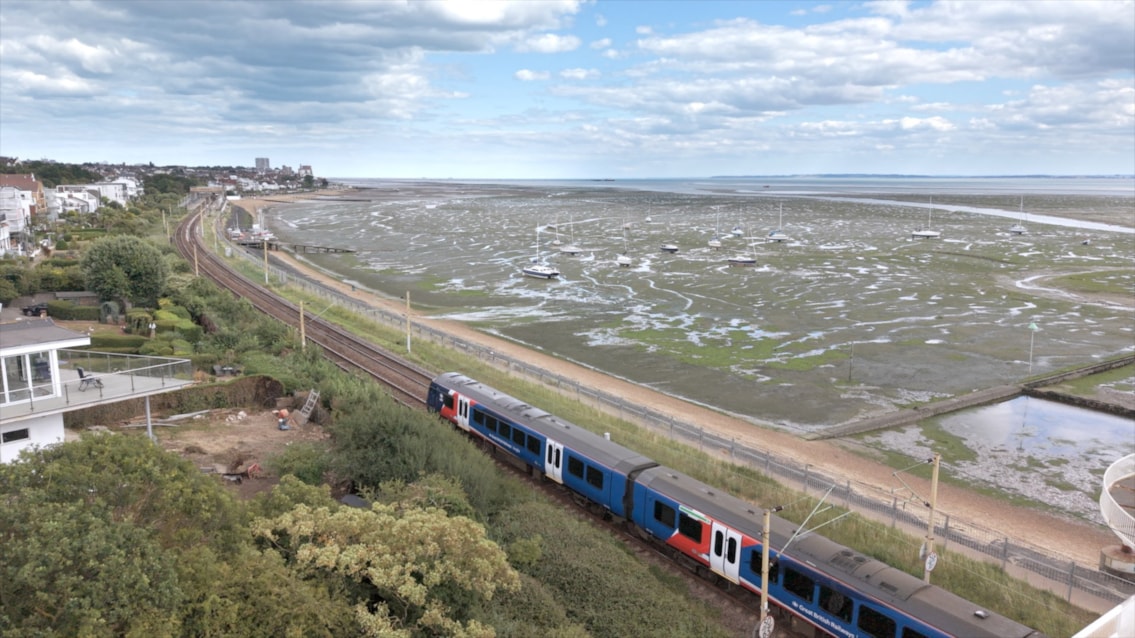
Featured Image: GBR Anglia Train on the Essex Thameside
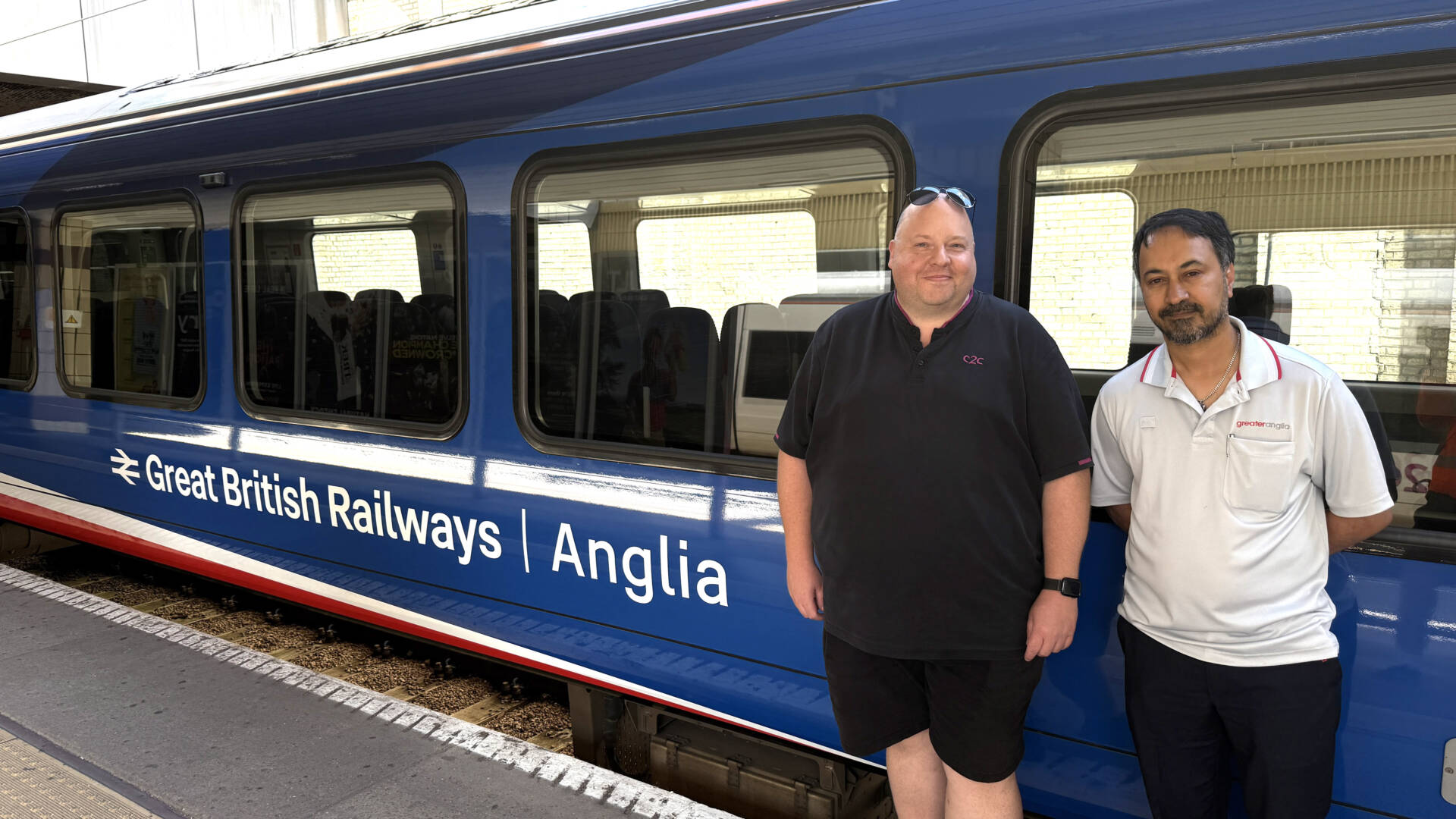
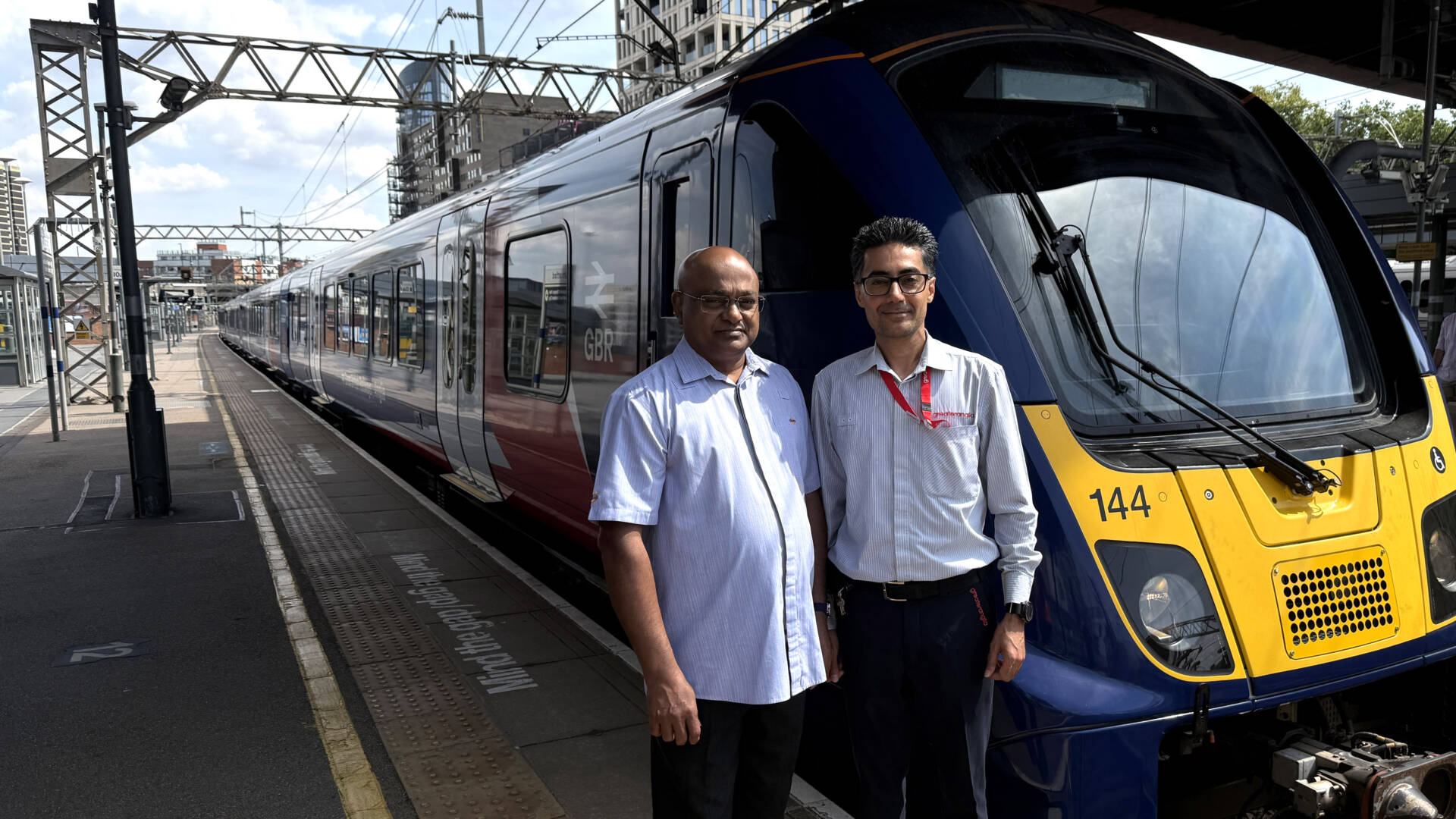
Second: c2c and Greater Anglia drivers at Fenchurch Street, about to take the Greater Anglia train onto the c2c network
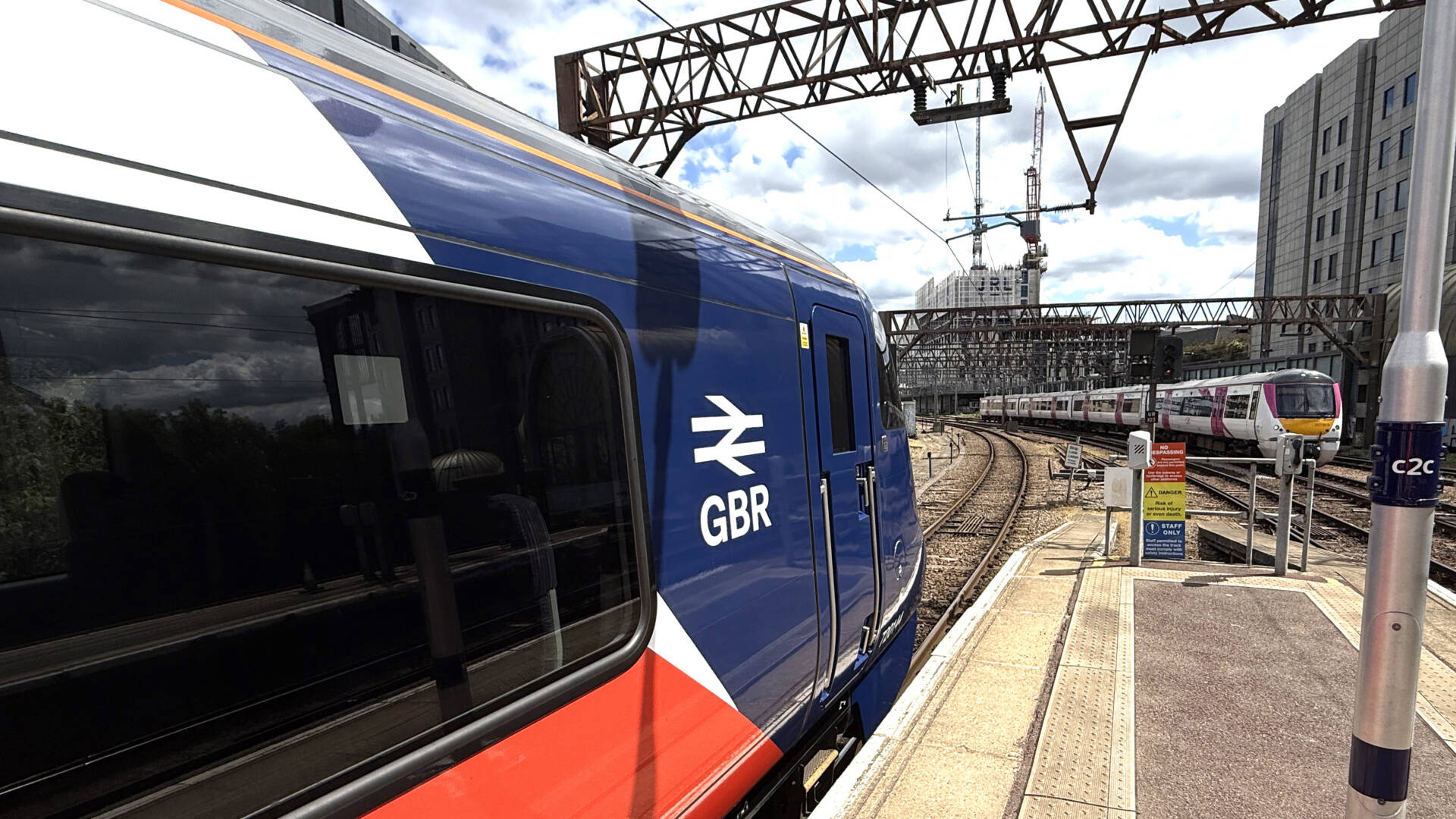
Third: Greater Anglia train equipped with PANDAS-V about to leave Fenchurch Street
Fourth: Greater Anglia train equipped with PANDAS-V at Fenchurch Street
Fifth: Greater Anglia train equipped with PANDAS-V on the London Overground Mildmay line
Sixth: London Overground and Greater Anglia drivers at Stratford, about to take the Greater Anglia train onto the London Overground Mildmay line
Seventh: Wait for the flash – photos show PANDAS-V footage of a potential fault at Harlow Town